
Buying wholesale stun guns is not the same as ordering bulk self-defense weapons from a discount website. A genuine wholesale purchase involves a business-to-business transaction with an authorized distributor, a resale certificate, and a legal framework that varies by state. For retailers, security firms, and self-defense trainers, the real challenge is navigating product tiers and compliance requirements while protecting profit margins.
Quick Answer: Wholesale stun guns are purchased directly from manufacturers or authorized distributors at tiered volume pricing. The process requires a business license, a resale certificate, and strict verification of state and local laws before any order is placed.
Key Takeaways
- Wholesale stun guns are not a single product category — they range from keychain models to law-enforcement-grade devices, each with different wholesale pricing and legal implications.
- The legal landscape is the first barrier — state and local laws dictate who can sell, who can buy, and what features are allowed; a wholesale buyer must verify these before placing an order.
- MOQs (Minimum Order Quantities) and tiered pricing define the wholesale structure — your cost per unit drops significantly as order volume increases, but inventory risk rises.
- The "wholesale" label is often misused — genuine wholesale requires a business license and resale certificate; "bulk discount" sites are not the same as authorized distributors.
- Product selection should follow your sales channel — a self-defense store needs different stun gun models than a security company or an online dropshipper.
The Complete Answer: What Does "Wholesale Stun Guns" Actually Mean?
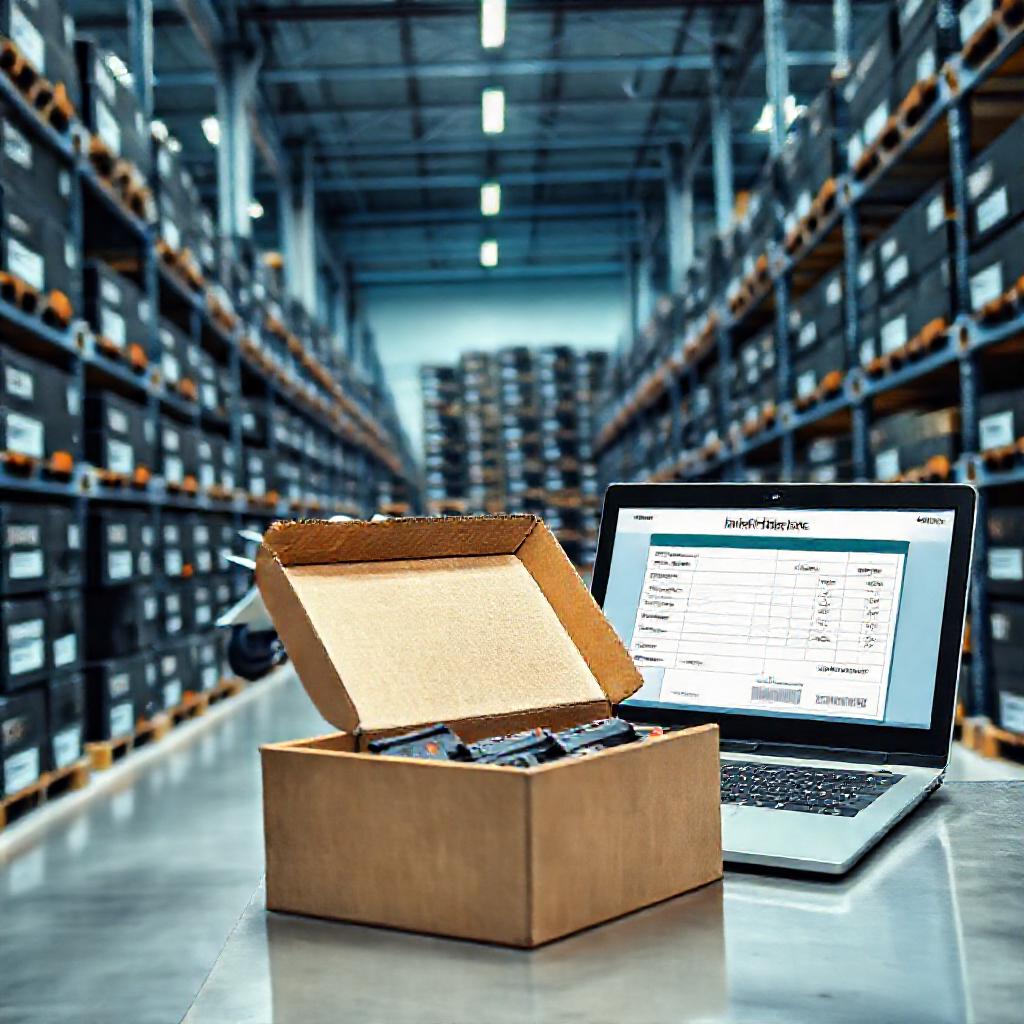
A warehouse scene highlighting the business-to-business aspect of purchasing stun guns in bulk, with compliance documents visible.
Definition and Scope
In the stun gun market, "wholesale" means purchasing directly from manufacturers or authorized distributors at tiered volume pricing. This is distinct from a bulk discount, which is simply a retail price reduction for buying multiple units. It is also different from dropshipping, where you never hold inventory and pay a per-order fee.
Definition: A stun gun is a handheld device that delivers an electric shock through direct contact. It is not a firearm and is not regulated by the Bureau of Alcohol, Tobacco, Firearms and Explosives (ATF). A taser, by contrast, uses projectiles to deliver the shock from a distance and is often classified separately.
The legal distinction between a stun gun and a taser matters at the wholesale level. Many distributors carry both, but they are treated as separate product lines with different compliance requirements. A wholesale stun gun purchase typically involves less paperwork than a wholesale taser order, but state law still governs both.
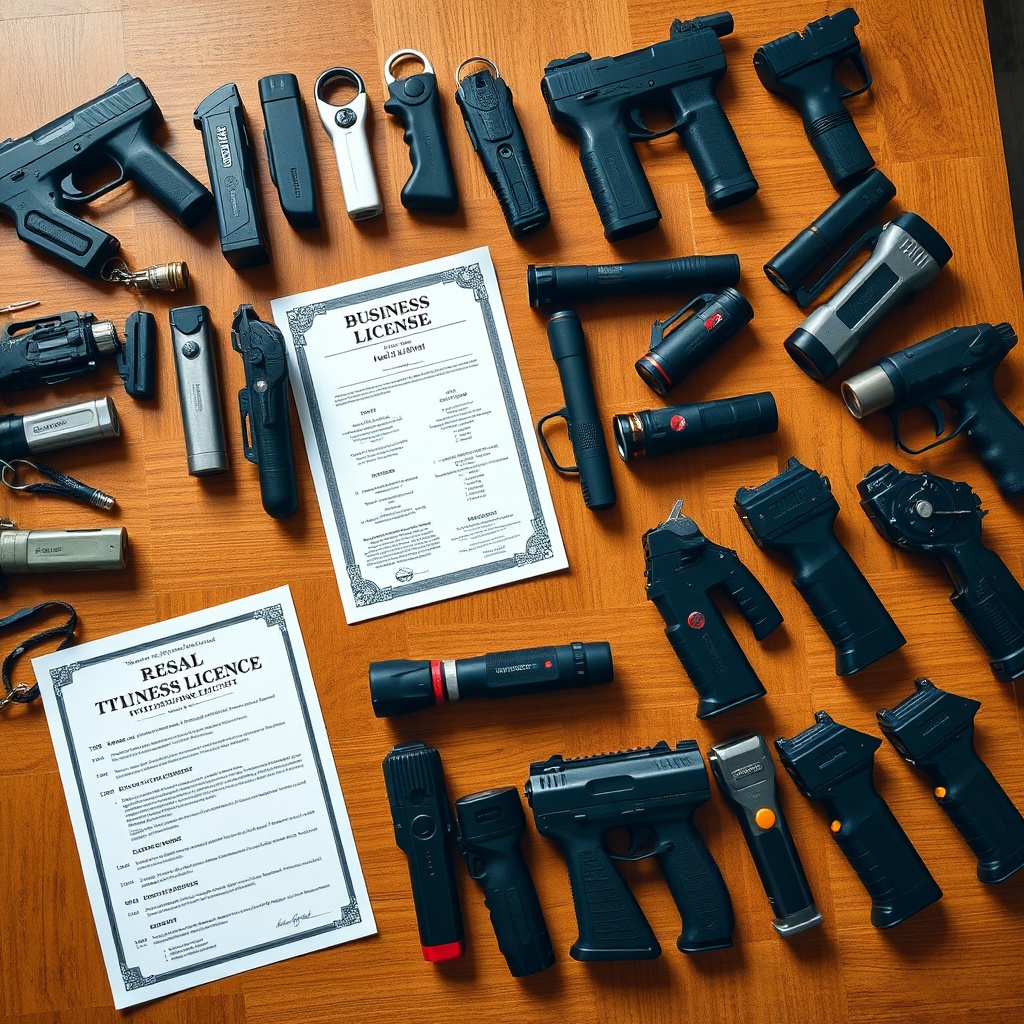
A detailed composition showing product variety and the legal paperwork necessary for a genuine wholesale transaction.
The Two-Tier Market Structure
The wholesale stun gun market is divided into two tiers.
Tier 1: Authorized distributors. These suppliers require business credentials and enforce a Minimum Advertised Price (MAP) policy. They have formal agreements with manufacturers and can offer warranty support, product liability coverage, and legal guidance. Buying from this tier protects your business from compliance issues.
Tier 2: Grey-market bulk sellers. These sellers offer lower prices but usually provide no warranty support, no legal compliance guarantees, and no manufacturer authorization. The savings are real, but the risk is substantial. If a product fails and causes injury, your business — as the seller of record — bears the liability.
The difference between these tiers is critical for warranty claims, product liability, and legal exposure. A grey-market purchase might save 10-15% upfront, but a single defective product or legal dispute can erase that savings many times over.
Who Actually Buys Wholesale?
The buying base for wholesale stun guns is more diverse than most people assume.
- Retail store owners — brick-and-mortar shops and security equipment stores that need inventory for display cases.
- Online marketplace sellers — merchants operating on eBay, Amazon, or Shopify who need consistent supply and competitive pricing.
- Security and loss-prevention companies — firms that equip staff with less-lethal devices for workplace protection.
- Self-defense instructors and training academies — professionals who sell devices to students alongside training programs.
Each buyer has different needs. A retail store needs a mix of entry-level and mid-tier models. A security firm needs durable, high-output devices. An online seller needs products that ship easily and have low return rates.
The Legal Framework: What You Must Verify Before Buying Wholesale
State-by-State Restrictions That Affect Wholesale Channels
Stun gun legal regulations vary significantly across the United States. While many states allow possession and sale, several have outright bans or severe restrictions. Wholesale buyers must verify the laws in every state they intend to ship to, not just their home state.
A distributor may legally refuse to ship to certain addresses based on state law. This is not a matter of preference — it is a compliance requirement. Before placing an order, confirm that your supplier has a clear policy on restricted states and that you understand which states are affected.
Age restrictions also apply at the point of sale. If you are selling to a minor who then resells the product, you may be violating state law. Wholesale orders should always be placed by a licensed business entity, not an individual acting on their own behalf.
Federal Law and the Commerce Clause
Stun guns are not classified as firearms under federal law. The ATF does not regulate them. However, interstate commerce rules still apply to wholesale transactions. When you buy from a distributor in another state, the transaction is governed by federal commerce law, but state law overrides in terms of what is legal to possess and sell.
The Consumer Product Safety Act provides a federal framework for product safety, but stun gun regulation is primarily a state matter. This creates a patchwork of laws that wholesale buyers must navigate carefully.
Licensing and Documentation Requirements
A legitimate wholesaler will ask for specific documents before processing your order. These include:
- A business license or proof of business entity registration - A resale certificate or sales tax permit - A federal tax ID (EIN)
- A signed "Lawful Use and Resale Agreement"
Definition: A resale certificate is a document issued by a state tax authority that allows a business to purchase goods for resale without paying sales tax. The buyer collects sales tax at the point of final sale instead.
If a seller does not ask for any documentation, that is a major red flag. A genuine wholesale transaction is always a business-to-business exchange. Sellers who skip the paperwork are either operating in the grey market or are not legitimate distributors.
Quick Answer: You need a business license and a resale certificate to buy wholesale stun guns from a legitimate distributor. These documents confirm that you are a business entity authorized to resell the products.
How to Vet a Wholesale Stun Gun Supplier: A Step-by-Step Checklist
Step 1: Verify the Supplier's Authorization Status
Ask for proof of manufacturer authorization or a distributor agreement. Reputable suppliers will provide this without hesitation. You can also check the manufacturer's official website for a list of authorized dealers. If the supplier is not listed, proceed with caution.
Step 2: Request and Review the MAP Policy
The Minimum Advertised Price is the lowest price at which you are allowed to advertise a product. You cannot sell below this price without losing your wholesale privileges. MAP violations can result in the termination of your account and the loss of access to future inventory.
Review the MAP policy carefully before you commit. Understanding the pricing floor is essential for calculating your profit margins.
Step 3: Confirm Warranty and Return Policies
Wholesale warranties differ from retail warranties. They are typically shorter and may require the buyer to handle the return process. Before ordering, ask about:
- The warranty duration for each product line - Who pays for return shipping on defective units - The replacement timeline for defective products - Whether the warranty covers battery degradation
A supplier with a clear, written warranty policy is far more reliable than one with vague verbal promises.
Step 4: Test the Product Quality Before Bulk Ordering
Request samples of every model you intend to stock. This is not optional — it is a necessary step. Test the battery life, voltage output, safety switches, and build quality. A product that looks good in a catalog may perform poorly in the field.
Pay particular attention to the safety features. A stun gun with a faulty safety switch is a liability, not an asset. Rechargeable stun guns should also be tested for charging time and battery longevity.
Step 5: Scrutinize the Pricing Structure for Hidden Costs
Compare unit prices at different volume tiers. Most suppliers offer pricing breaks at 10, 50, 100, and 500 units. But the unit price is only part of the equation.
Ask for a complete breakdown that includes shipping, insurance, and any restocking fees. A supplier with a low unit price but high shipping costs may actually be more expensive than a supplier with a slightly higher unit price and free shipping.
Step 6: Evaluate the Supplier's Customer Service and Reputation
Check for online reviews from other wholesalers, not retail customers. A supplier can have excellent retail reviews but poor wholesale service. Test response times for pre-sale questions. If a supplier takes days to respond before you have placed an order, imagine how long it will take to resolve a post-sale issue.
Quick Answer: The most reliable way to vet a wholesale stun gun supplier is to request samples, verify their authorized distributor status with the manufacturer, and test their response times before committing to a large order.
Product Selection and Pricing Strategy for Wholesale Buyers
Understanding the Product Tiers
Wholesale stun guns are available in several tiers, each with different pricing and legal implications.
Entry-level keychain models are low-cost, high-volume products ideal for impulse purchases. They have lower voltage output and fewer safety features, but they sell quickly at price points that appeal to casual buyers.
Mid-tier self-defense models offer higher voltage, more safety features, and better build quality. These products command better margins and are the backbone of most self-defense retail stores.
Law-enforcement-grade models carry premium pricing and may require additional licensing. These are restricted products that are not available to every buyer. A wholesale stun gun distributor will typically require proof of law enforcement affiliation or a specific business license before selling these models.
How to Calculate Your Profit Margin
The basic formula for calculating profit margin is:
(Retail Price − Wholesale Cost − Shipping − Fees) ÷ Retail Price
This gives you your margin percentage. However, in the stun gun niche, the average order value matters more than the per-unit margin. A customer who buys a stun gun is likely to purchase additional items like holsters, pepper spray, or training materials. These add-ons boost your overall profitability even if the stun gun itself has a slim margin.
Chargebacks and return rates also impact profitability. A high return rate can destroy your margins. Stun guns have a low return rate when the product quality is good, but defective units can create significant losses. This is another reason to prioritize authorized distributors over grey-market sellers.
Comparison Table: Wholesale vs. Retail vs. Dropshipping
| Factor | Wholesale Purchase | Retail Purchase | Dropshipping |
|---|---|---|---|
| Initial Investment | High (MOQ required) | Low (single unit) | Zero (pay per order) |
| Cost Per Unit | Lowest | Highest | Mid (wholesale price + fee) |
| Inventory Risk | High (you own the stock) | None | None (supplier holds stock) |
| Control Over Shipping | Full control | None | Limited (supplier controls) |
| Legal Compliance Burden | High (you are the seller of record) | Low | Medium (you are the retailer) |
| Profit Potential | Highest per unit | Lowest | Mid |
The MOQ Trap: Balancing Volume and Cash Flow
Minimum Order Quantities are the biggest financial hurdle for new wholesale buyers. A large MOQ means a large upfront investment. If the products do not sell, you are left with dead inventory and tied-up cash flow.
Calculate your realistic sell-through rate before committing to a large MOQ. How many units can you realistically sell in a month? If you sell 20 units per month, a 100-unit MOQ represents five months of inventory. That is a significant cash flow commitment.
The safer strategy is to start with a small MOQ to test the market before scaling. Once you have established a consistent sell-through rate, you can negotiate higher volume tiers with confidence.
Marketing and Selling Wholesale Stun Guns to Your Customers
Channel-Specific Sales Strategies
Brick-and-mortar stores benefit from display cases that allow customers to see and handle the products. Staff training on safety features is essential — customers will ask questions about voltage, safety switches, and legal restrictions.
Online marketplaces have specific policies regarding stun gun sales. Both Amazon and eBay restrict these products and require sellers to comply with their policies. Review these restrictions before listing. Some platforms may require additional documentation or prohibit certain product types entirely.
B2B sales to security companies offer a repeatable, high-volume revenue stream. Security firms need reliable equipment and are less price-sensitive than individual consumers. Building relationships with these buyers can provide steady, predictable income.
Legal Marketing Claims You Must Avoid
Never claim a stun gun is "non-lethal." The correct term is "less-lethal." A stun gun can cause injury, and claiming it cannot is both inaccurate and legally risky.
Avoid making medical claims. Statements like "stops an attacker instantly" or "renders an assailant unconscious" are unverified claims that could expose you to false advertising liability. Stick to factual descriptions of the product's features: voltage output, safety switches, and build quality.
The consequences of false advertising in the self-defense niche are severe. Regulatory action, lawsuits, and damage to your reputation are all possible outcomes of making unsupported claims.
Building a Repeatable Wholesale Customer Base
After-sales support is your strongest differentiator against grey-market competitors. A customer who knows they can reach you for warranty issues, product questions, or replacement parts will return for repeat purchases.
Providing free safety training materials with every bulk order is a low-cost way to add value. A simple guide on how to use a stun gun safely can reduce returns and build customer trust. This is especially valuable for self-defense instructors who purchase in bulk.
Frequently Asked Questions (FAQ)
Do I need a business license to buy stun guns at wholesale prices?
Yes, legitimate wholesalers require proof of a business entity and a resale certificate. The specific requirements vary by state, but a genuine wholesale transaction always involves a business-to-business exchange.
Are stun guns legal in all 50 states?
No. Several states have outright bans or severe restrictions on stun gun possession and sale. Wholesale buyers must verify the laws in every state they intend to ship to.
What is a typical MOQ for wholesale stun guns?
MOQs vary widely by manufacturer and model. Entry-level models may have MOQs of 10-50 units, while law-enforcement-grade products may require 100+ units. Always confirm the MOQ before placing an order.
Can I sell wholesale stun guns on Amazon or eBay?
Both platforms have specific policies regarding the sale of stun guns and self-defense devices. You must review and comply with their restricted product policies before listing.
What is the difference between a stun gun and a taser in the wholesale market?
A stun gun requires direct contact to deliver an electric shock, while a taser uses projectiles to deliver the shock from a distance. In the wholesale market, tasers are typically classified separately and may have stricter legal requirements.
Conclusion
Wholesale stun guns are a viable business opportunity, but success hinges on legal diligence, supplier vetting, and strategic product selection. The lowest price is rarely the best deal. An authorized distributor with a clear MAP policy, solid warranty support, and a willingness to answer questions is worth more than a grey-market seller with a lower unit price.
Start by verifying your state's laws, then request samples from at least two authorized distributors before committing to a large MOQ. Test the products, compare the pricing structures, and evaluate the customer service. The relationship you build with a legitimate wholesaler will determine your long-term success in this market.